Introduction
India’s e-commerce industry is experiencing explosive growth — and 2025 is set to be its biggest year yet.
With rising digital adoption, AI-powered personalization, and growing trust in online shopping, India’s e-commerce market is projected to surpass $150 billion by 2025.
For brands, startups, and creators, understanding these trends is key to staying ahead in an increasingly competitive digital economy.
At BuyItUp.in, we help entrepreneurs, businesses, and influencers build scalable online stores that are ready for the future.
Let’s explore the trends defining Indian e-commerce in 2025.
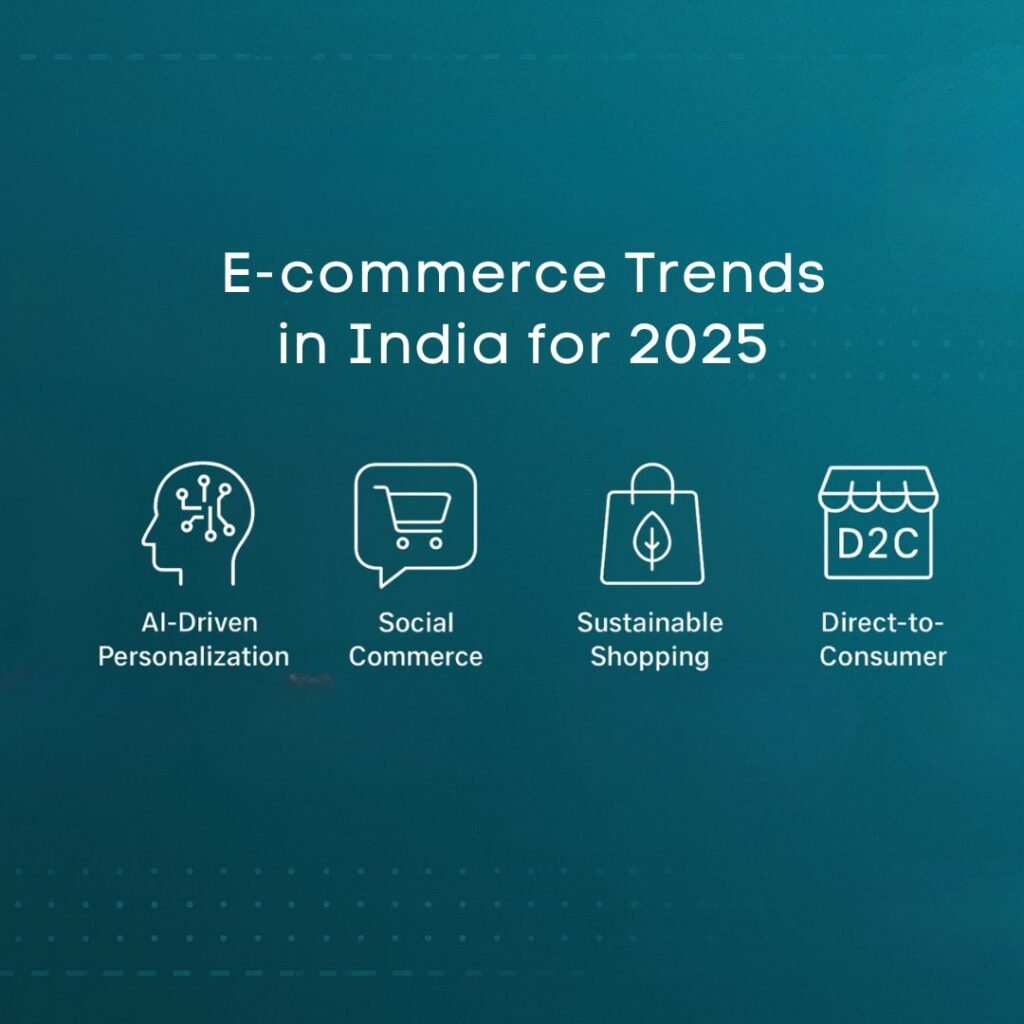
1. AI-Driven Personalization Takes the Lead
Artificial Intelligence is revolutionizing how customers shop.
From product recommendations to chatbot assistance, AI helps brands deliver personalized experiences that increase engagement and sales.
💡 How It’s Transforming E-commerce:
- AI-powered product recommendations based on browsing behavior.
- Smart chatbots providing instant support.
- AI-driven inventory management to forecast demand.
- Personalized marketing campaigns based on buyer intent.
The more a brand personalizes, the stronger the customer loyalty.
2. Social Commerce Is Exploding
In 2025, shopping is no longer confined to e-commerce websites — it’s happening directly on Instagram, YouTube, and WhatsApp.
Social commerce lets creators, influencers, and small businesses sell directly to their followers.
🔑 Why It’s Growing:
- Shoppable posts and reels drive impulse buying.
- Live commerce events boost real-time engagement.
- Trust-based selling through known influencers.
Platforms like Instagram Shops and YouTube Shopping are turning social media into a powerful sales channel — especially for lifestyle, beauty, and tech brands.
3. Tier 2 & Tier 3 Cities Are the New Growth Hubs
E-commerce in India is no longer just a metro-city trend.
With faster internet and better logistics, buyers from smaller cities are fueling the next phase of growth.
📦 Emerging Insights:
- Over 60% of new online shoppers now come from Tier 2 & 3 cities.
- Cashless transactions are on the rise due to UPI adoption.
- Regional language content and localized delivery options attract new audiences.
Smart brands are adapting — offering vernacular websites, regional influencer collaborations, and hyperlocal delivery.
4. Sustainable & Conscious Shopping Gains Momentum
Today’s consumers are more aware — they want eco-friendly, ethical, and transparent brands.
🌿 Trending Practices:
- Sustainable packaging and carbon-neutral shipping.
- Ethical sourcing and transparent supply chains.
- “Made in India” eco-conscious product lines.
Sustainability is no longer a buzzword — it’s a business advantage.
5. Direct-to-Consumer (D2C) Brands Are Thriving
2025 will see a boom in D2C brands that sell directly to customers without relying on marketplaces.
This model helps brands control:
✅ Pricing
✅ Customer experience
✅ Data ownership
✅ Brand storytelling
With tools like Shopify, WooCommerce, and BuyItUp’s hosting, launching your D2C store has never been easier.
6. UPI & Digital Payments Dominate
India’s payment ecosystem is evolving fast.
UPI transactions crossed 10 billion per month in 2024, and the trend will only accelerate in 2025.
🪙 Key Drivers:
- Seamless checkout experiences
- Growth of BNPL (Buy Now, Pay Later)
- Cross-border payment integration
- Instant refunds and wallet systems
For small businesses, accepting multiple payment modes isn’t just convenient — it’s essential.
7. Quick Commerce and Hyperlocal Delivery
Instant gratification is the new normal.
Quick-commerce platforms like Zepto, Blinkit, and Swiggy Instamart have redefined delivery expectations — and now even small businesses are joining the race.
🚀 Emerging Trend:
- 10–30 minute deliveries expanding beyond groceries to fashion, pharmacy, and electronics.
- Local retailers using hyperlocal delivery apps.
- Integration of AI for route optimization and inventory tracking.
Speed = sales.
8. Omnichannel Experiences Are the Standard
Consumers expect consistency — whether they’re on your website, app, or physical store.
That’s where omnichannel retail comes in — blending online and offline experiences seamlessly.
🔁 Examples:
- Customers can buy online, pick up in-store (BOPIS).
- Shared loyalty programs across channels.
- Integrated CRM systems for a unified customer view.
Brands that deliver this 360° experience will dominate the e-commerce landscape in 2025.
9. Voice Search & Vernacular Commerce
With the rise of voice assistants and regional content, shoppers are using voice search in local languages.
📣 What’s Changing:
- Regional SEO (Hindi, Tamil, Telugu, Bengali) is now critical.
- Voice commands simplify searches like “Buy affordable running shoes near me.”
- AI translation tools make multilingual commerce accessible.
India’s next billion internet users are voice-first — and your brand should be ready for them.
10. Data Privacy, Trust & Transparency
As digital spending rises, customers are becoming more cautious about how their data is used.
🔐 Key Shifts:
- First-party data collection will replace cookie tracking.
- Transparent privacy policies build loyalty.
- Cybersecurity and trust badges improve conversion rates.
E-commerce brands that prioritize user privacy will stand out in 2025’s competitive market.
Final Thoughts
The e-commerce revolution in India is just getting started.
In 2025, success will belong to brands that embrace AI, personalization, social commerce, and sustainability — while staying authentic and customer-centric.
At BuyItUp.in, we empower creators and businesses to build high-performing e-commerce websites with everything you need — domains, hosting, and professional website builders — all in one place.
🚀 The future of Indian e-commerce is bright. Make sure you’re part of it.